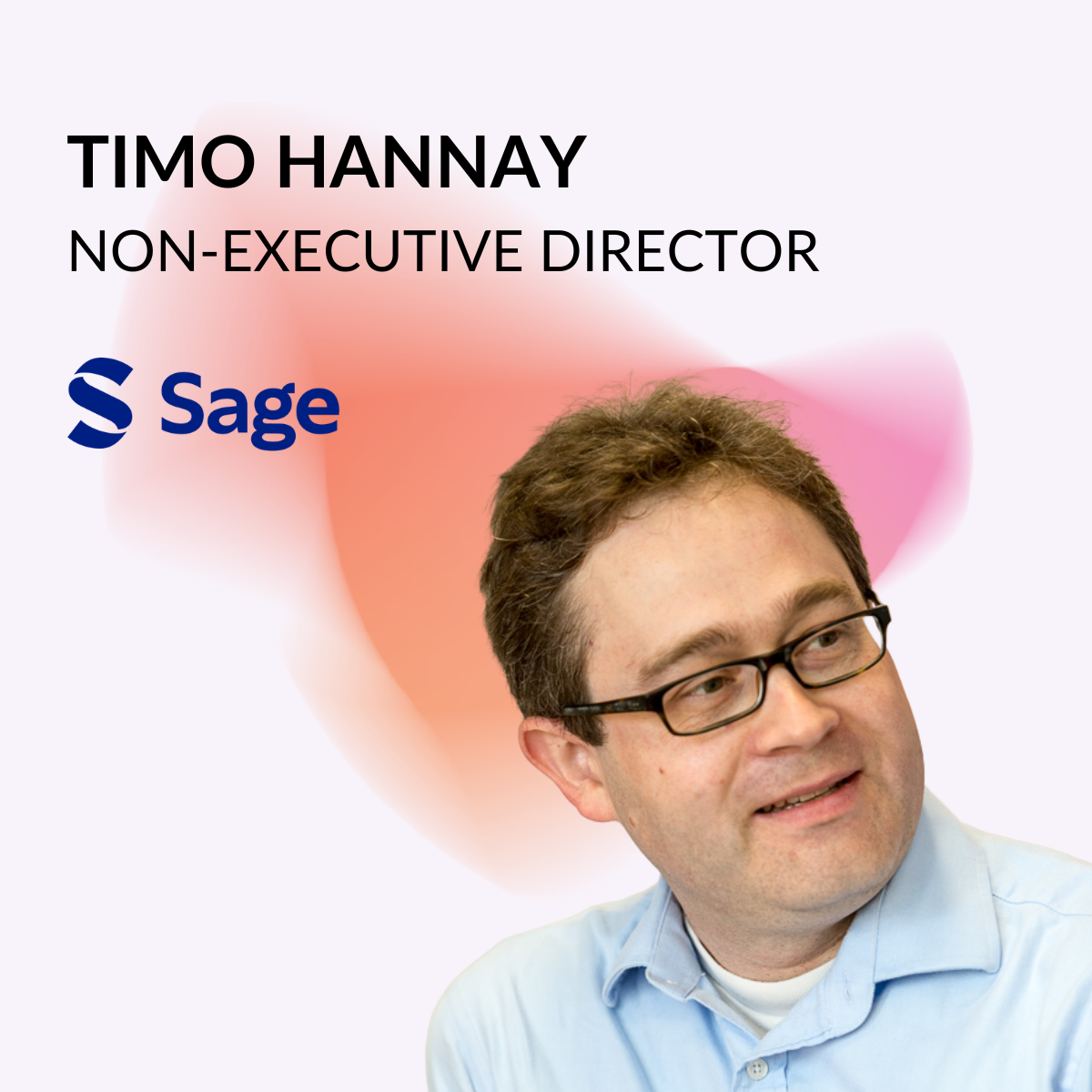
This series highlights the thinking and practical priorities of leaders shaping publishing and education in a time of technological change. Following the opening conversation with Gyldendal Education, the series now turns to Timo Hannay, a publishing leader who helped guide Nature through the dot-com era and is now deeply engaged in AI-driven initiatives.
In this interview, you can expect reflections on what publishers can learn from past technology waves, how AI could reshape the role of authors, and what it takes to build AI-supported learning materials that strengthen quality and trust.

Timo Hannay is a neuroscientist by training, and a technologist by inclination. He serves on the board of Sage Publishing and previously spent two decades at Nature, where he led its online business during a pivotal digital transition.
Today, he runs SchoolDash, an education data analytics company, and is leading several AI-driven initiatives, including:
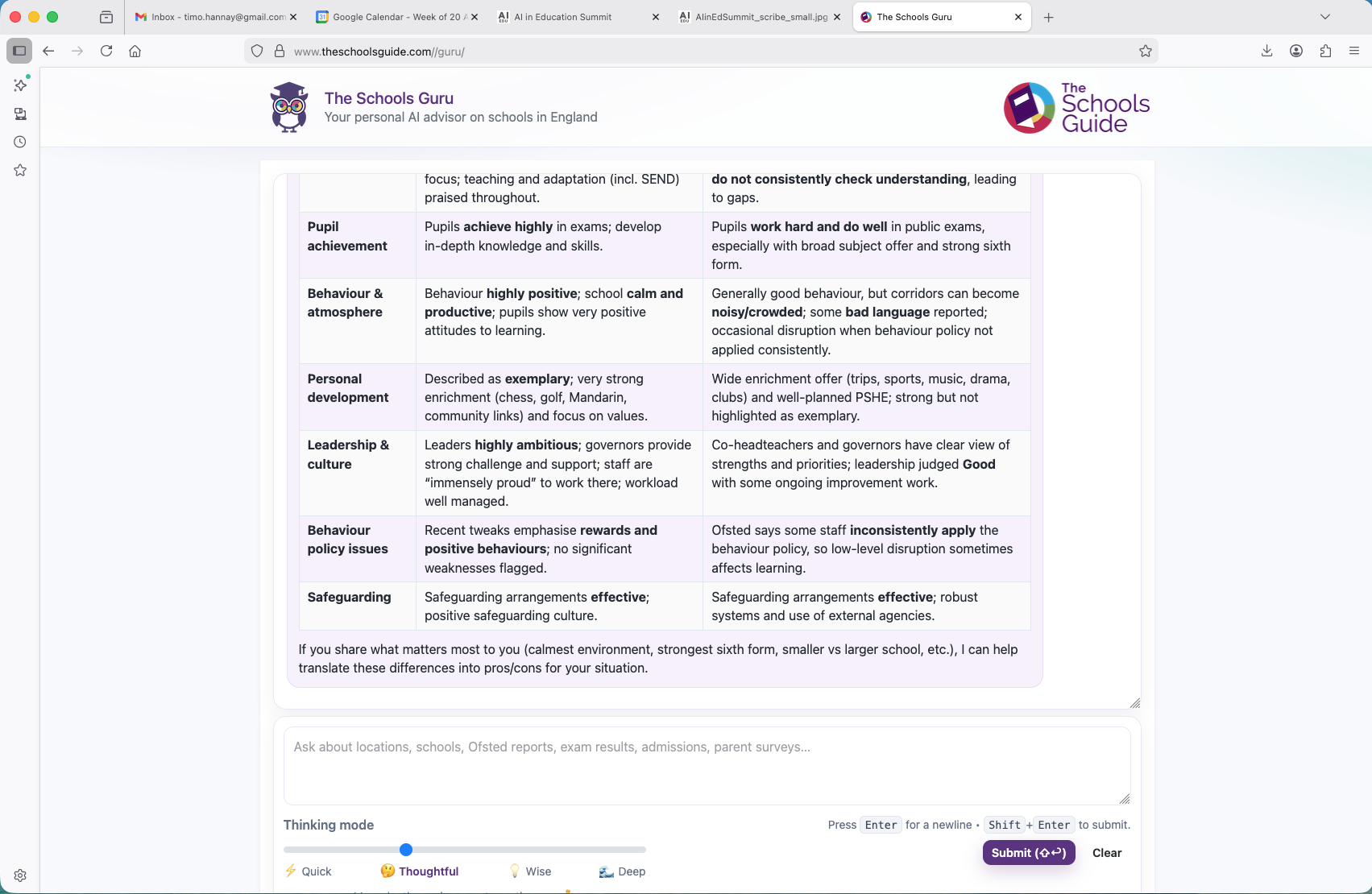
His long-standing interest sits at the intersection of humans and computers:
“My interest is around human brains and silicon brains and how they interact” he says. “And how one can support the other, and particularly how computers can support intellectual flourishing.”
That framing matters because AI in education is not only a technical challenge, it is also a cognitive one.
Timo sees strong parallels between the early 2000s and today’s AI surge.
“It seems almost inarguable that we're going through a bubble at the moment. And we did go through a bubble right at the end of the 90s and the beginning of the 2000s.”
Timo expects there to be hype, overinvestment, and failure. But also structural change. For publishing leaders, Timo shares four practical tips:
The winners of the early internet era were not the cautious observers, but those who did disciplined experiments.
The existence of powerful tools does not mean they serve your educational needs. Start with learning outcomes, not what’s technically possible.
Nature survived the digital shift by experimenting while protecting its core trust assets. AI experimentation in publishing must be anchored in trusted content and strategic partnerships: both with educational institutions serving the end-users, and technology companies able to build at the speed and quality needed.
Outsourcing understanding is risky, and leaders need teams that understand both pedagogy and what the opportunities and limitations of AI are.
The deeper question is not about bubbles and technology cycles, but about long term changes. AI can change the form of the textbook itself, and with it, the role of those who curate knowledge.
AI does not eliminate the need for authors. But it could change the format of their work. In Project X, one module is based on Tom Chatfield’s Critical Thinking. The book was rewritten specifically for an LLM-powered environment, and the user interface looks like this:
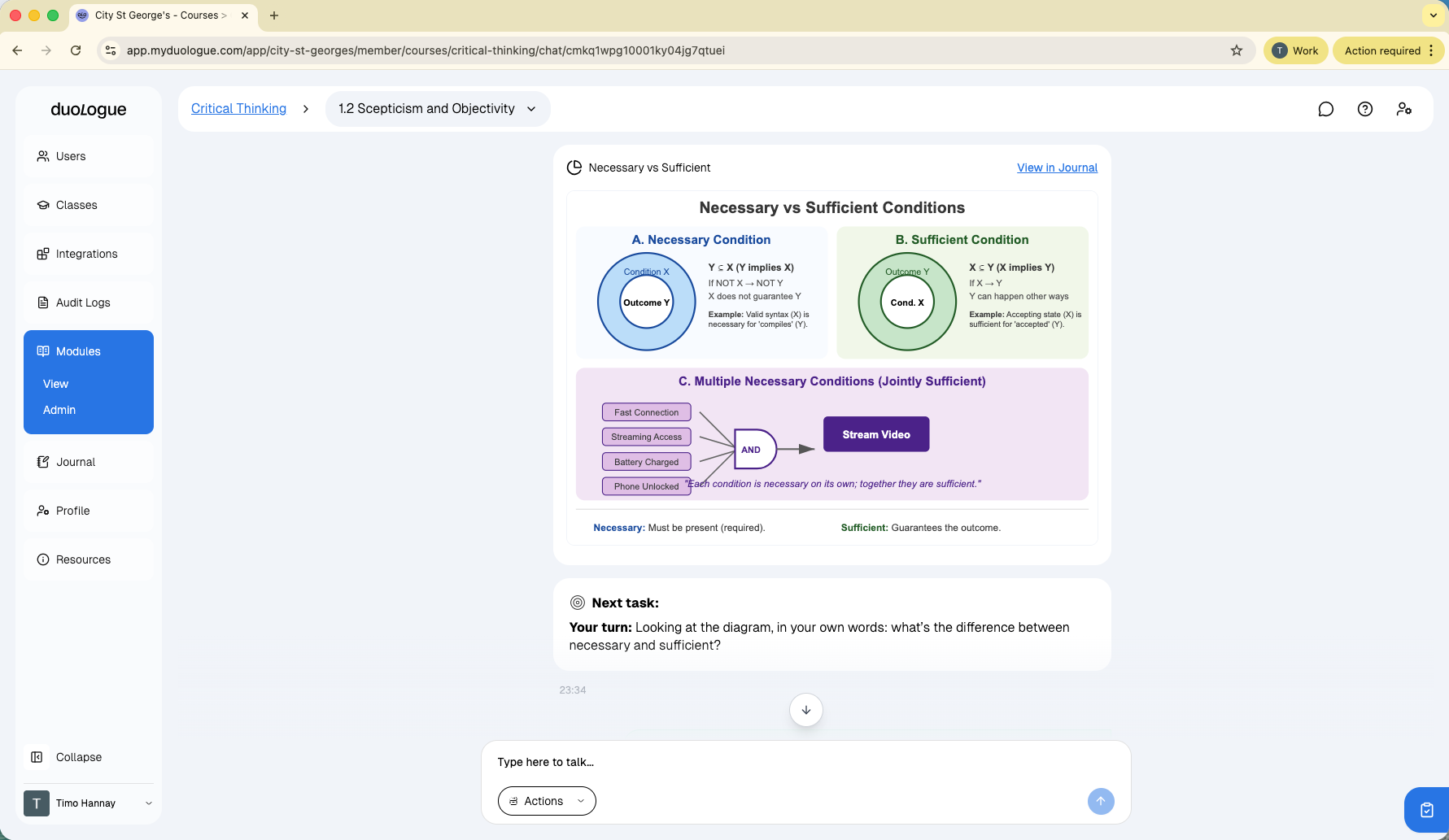
With this prototype, students can use AI to:
With this way of working, the author becomes both a content provider and a curriculum architect. This way of writing is not a prerequisite for enhancing textbooks with AI, but it is an interesting path to learn from. This expanded author role carries great responsibility in a world where generative AI makes it easy to produce content, and equally easy to produce misleading or low-quality material. As Timo puts it:
“I think there's always going to be a role for expert authors who can curate a curriculum around a particular theme, who explain it really clearly, effectively and authoritatively. And I think there is always going to be a role for publishers who coordinate the creation of those assets.”
But preserving the role of authors and publishers is not only a question of credibility. It is also a question of cognition. If AI changes how content is delivered and interacted with, it inevitably influences how students think, read, and engage with knowledge.
Concerns about declining reading habits are widespread. Timo approaches this with nuance. He admires long, difficult books. He rereads Moby Dick and enjoys the dense classics created by authors like James Joyce and Umberto Eco. But he resists equating deep thinking with reading alone.
“When I’m in research mode,” he says, “I jump between papers, figures, conversations, and ideas. It might look scattered. But I’m thinking deeply.”
AI-enabled environments can support this exploratory depth. But they need to be designed carefully. The danger is not AI use itself, but bypassing productive struggle. Because learning requires iteration, discomfort, and reflection. Used poorly, AI becomes a shortcut, and according to Timo, the difference lies in design.
Timo emphasises that educational institutions are the ones who have to lead the AI integration. Technology should serve pedagogy, not dictate it. Project X reflects this structure: City St George’s is not a customer, but a core partner.

It’s the educational goals that define the system behavior. As Timo puts it:
“We shouldn’t have the tail wagging the dog.”
AI will not eliminate publishers in the coming year, but it will expose weak strategy. When anyone can generate a textbook differentiation shifts toward:
The future of AI in education will not be shaped by technologists alone. It will be shaped by publishers willing to experiment, combining their key experience in quality with safe and tested technologies.
“Education needs to evolve and technology should be in service of that, but that doesn't mean we won't have new possibilities enabled by technology. The question is not how you can roll out an LLM in your university, right? The question is how can we teach students more effectively so that they're ready for the wider world? And technology can definitely help with that.”
The question is not whether AI will reshape how we create and utilize textbooks. The question is who will shape that change.
He smiles.
“I'm just looking forward to learning by experimenting, learning by doing, but also learning by watching what other people do. And that includes you guys at Ludenso.”
We look forward to keep learning from Timo as well. Thank you so much for the inspiring conversation!

This interview is part of Ludenso’s ongoing series with leaders shaping AI in education and publishing.

