
A new interview series from Ludenso
In this interview series, Ludenso speaks with people shaping the future of educational publishing.
After the conversation with Timo Hannay, this edition features a perspective from one of the most well-connected observers of the Nordic edtech ecosystem: Jonathan Viner.
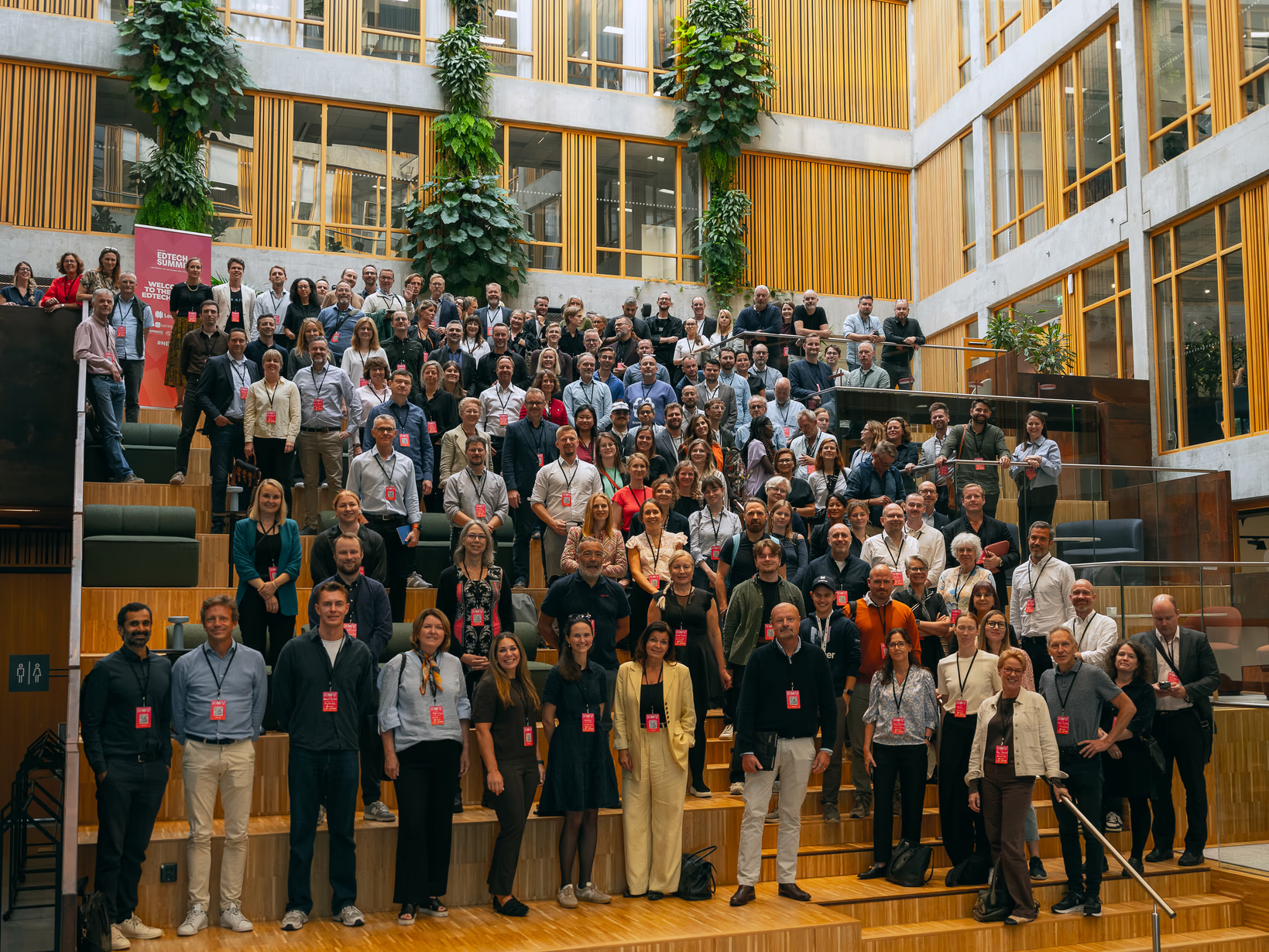
Jonathan is an advisor to European edtech companies and the publisher of Nordic EdTech News (our favorite newsletter). He is also the founder of the Nordic EdTech Summit, taking place in Oslo on September 9th (save the date!).
Jonathan has worked in education and edtech since 2000, across publishing, digital learning, government, and commercial education.
.jpg)
He combines hands-on work with companies and a broader analytical view of the market. That gives him a rare 360° perspective on how AI is developing across the Nordics, and where the edtech market is heading next.
Jonathan expects the coming months to be shaped by four big forces:
1. Policy will shape the pace and direction of change
The Nordics are diverging: Estonia and Iceland are moving proactively on AI, while Denmark, Norway, and Sweden have taken a more cautious approach, influenced by the screen debate.
2. AI is becoming core infrastructure, not a feature
AI is moving from novelty to expectation, becoming an invisible, natural part of the tools educators and students use every day.
“I think customers will expect it. It will be invisible and it will be embedded in everything that people are using. Think about how Duolingo works today: the difficulty of each exercise, the timing of review sessions, the encouragement you receive. None of that feels like AI, it just feels like the product working. That's the direction of travel for educational tools more broadly. And let's be blunt, if we are visiting Amazon, Spotify, or Netflix, AI is already clearly an integral part of those services.”
3. AI can free up time for what matters most
By reducing routine tasks like admin and marking, AI can create space for teachers to focus more on student support, coaching, and meaningful learning interactions.
4. Teacher support will determine the impact of AI
With little structured support, teachers are learning AI through trial and error. Building their confidence will be key to ensuring AI strengthens learning rather than simply acting as an answer machine. But this will require high quality professional development.
Jonathan sees a clear difference between countries that are leaning in and countries that are hesitating.
He points to Estonia and Iceland as more proactive, while warning that other countries risk falling behind if AI is treated mainly as a threat.
On Sweden, he is blunt:
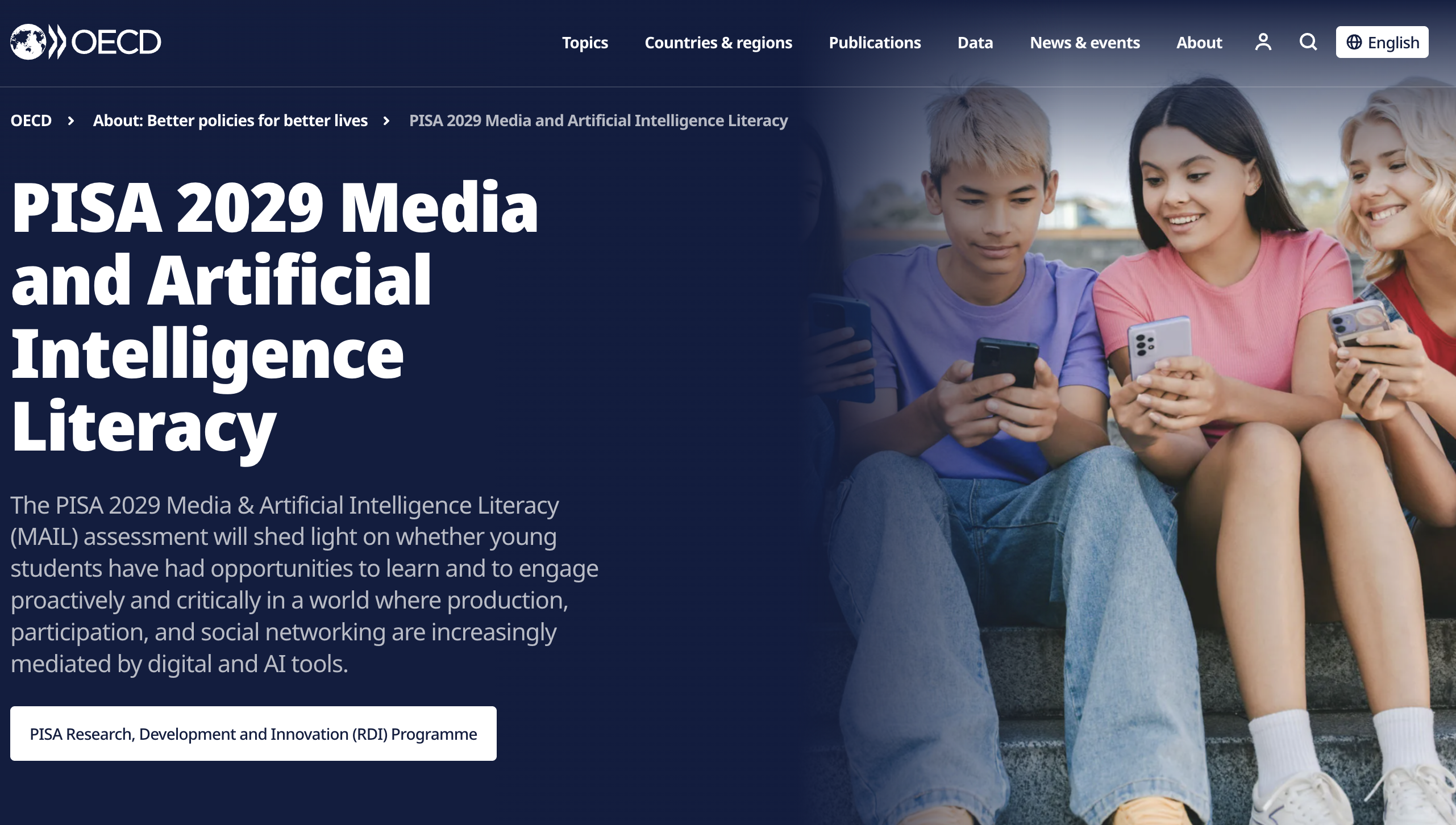
“Burying your head in the sand and saying that using AI is cheating is clearly not the way to go. With PISA set to assess AI literacy, limiting access for teachers and students will inevitably show up in results”
Political priorities will inevitably shape what publishers offer to teachers and students. But beyond that, Jonathan highlights a more fundamental point: many large players are still focusing on the wrong part of the AI opportunity.
One of Jonathan’s clearest points is that content + some form of generative AI wrapper is not enough. Instead, he sees real value in three areas:
“How can AI and content help scaffold learning? How can it direct learners on a tailored pathway that meets their specific needs? I think content is not the be all and end all. If you focus on that, then you're missing a trick.”
For Jonathan, publishers have strong cards to play, especially if they focus on what makes them genuinely valuable.
1. Pedagogy > content generation
As content is becoming cheaper to produce, strong learning design becomes increasingly valuable.
“I think in this age of AI where it is quick and easy to create content, it doesn't necessarily mean we should. People who are steeped in pedagogical best practice and who are able to translate that into online learning environments are still super valuable”
2. Trust as a competitive advantage
When anyone can create content, trusted brands stand out. Credibility and quality assurance become key differentiators.
As Jonathan puts it: “Just because I can generate a 47-page biology chapter doesn’t mean it’s any good. In a world flooded with content, trusted publisher brands become significantly more valuable.”
3. Teacher training as a major opportunity
While big tech offers broad training, publishers are closer to local classrooms and curricula. This creates a strong opportunity to help teachers get the most out of AI and apply it meaningfully in practice.
“Microsoft, Google, and all of the big boys have got their “This is how you use AI” training programs for teachers, but they are so globally applicable as to be irrelevant in a Norwegian school in the middle of nowhere. I think there is a massive opportunity for local publishers who understand teachers in their particular geography to help them to get to grips with AI. Trusted brands can play a key role in helping teachers use AI, because many aren’t getting that support elsewhere.”
These strengths become particularly relevant when looking at where investment and innovation are heading. Few people have a better overview of the Nordic edtech funding landscape than Jonathan, which makes his perspective especially valuable here.
Jonathan does not describe last year as a breakout year for Nordic edtech funding:
“By any standards it has not been a stellar year.”
On the question "Based on the deal flow that you're tracking, what signals are you seeing that indicate where Nordic edtech investment in AI is heading and what does that mean for publishers?" Jonathan responds that the companies that are raising capital are largely those with curriculum resources and core subjects like maths, and a clear ambition to scale internationally.
Recent examples of Nordic edtech success stories include Magma Math and APLA kids who have recently raised capital to scale, and Sana which worked with Workday in the US before being acquired by them.
.jpg)
The focus is less on building for local markets, and more on expanding beyond them. That creates an interesting window.
Many younger, Nordic companies are still early in their journey, building solutions closer to local classrooms and curricula. But as they raise capital, the pressure shifts toward international growth, often towards the US.
For publishers, this raises a practical question: engage early, or risk missing the moment.
As Jonathan puts it: “Do I need to build it or do I need to buy it?”
For those looking for locally relevant solutions, the opportunity may lie in partnering with companies before they scale away from the Nordics. In doing so, publishers don’t just adopt technology; they help shape it.
This perspective also shapes what Jonathan is most excited about in the coming 12 months:
When asked what gives him energy for 2026, Jonathan points to five things:
.jpg)
What makes this list encouraging is that it focuses on solving important problems and supporting teachers, and not chasing AI solutions for the sake of using AI.
The months ahead may reward the companies that stay close to pedagogy, close to teachers, and close to the real work of learning.
And that is a future publishers are well placed to help shape.
This interview is part of Ludenso’s ongoing series with people working at the forefront of AI in education and publishing.
Subscribe to Letters from Ludenso for more insights.

